U.S. States Accelerate Plans for Government Bitcoin Holdings as Texas Leads with First Strategic Reserve Framework
Texas has taken a historic first step toward establishing what could become the United States’ first fully recognized state-level Bitcoin reserve, purchasing $5 million worth of BlackRock’s iShares Bitcoin Trust (IBIT). Although the investment is technically an ETF position rather than direct BTC custody, state officials say it acts as a temporary placeholder while Texas finalizes the infrastructure needed to hold Bitcoin directly.
The move marks a significant moment in the expanding relationship between U.S. state governments and digital assets — a trend gaining momentum as more states explore long-term crypto strategies.
Texas Inches Toward America’s First Official State Bitcoin Reserve

Earlier this year, the Texas legislature appropriated $10 million to fund the creation of the Texas Strategic Bitcoin Reserve, outlined under the Texas Strategic Bitcoin Reserve and Investment Act.
The reserve’s vision:
- Hold Bitcoin directly as a long-term strategic asset
- Use BTC holdings as a potential hedge, innovation catalyst, and technological leadership tool
- Establish a framework other states may follow
Texas Comptroller Glenn Hegar’s office has been spearheading early preparations. A spokesman confirmed the $5 million ETF purchase, describing it as an interim step until Texas finalizes a custodial partner capable of securing actual Bitcoin reserves on behalf of the state.
“This allocation is a placeholder while Texas builds the operational and custodial structures to directly hold Bitcoin,” the comptroller’s office told CoinDesk.
Extensive Industry Outreach Shaped Texas’ Bitcoin Reserve Blueprint
In September, the state issued a formal request for information (RFI) to crypto companies, custodians, miners, infrastructure firms, and financial institutions. The goal was to collect industry best practices on:
- Secure public-sector Bitcoin storage
- Long-term reserve strategies
- Transparent, auditable custody models
- Regulatory compliance and state accountability
- Operational risk planning
- Scaling from small holdings to large strategic reserves
The RFI period concluded last month, with state officials reportedly pleased by the depth of participation from both U.S. and global crypto firms.
This information is now being used to craft the Request for Proposal (RFP), which will define the exact requirements for a Bitcoin custodian. After the RFP is issued and a partner is selected, Texas expects to begin direct BTC purchases, becoming the first state government to do so in U.S. history.
Not the First State ETF Purchase — But the First True Reserve Attempt

Though Texas’ move is attracting major national attention, it is not the first instance of government money being invested in Bitcoin ETFs.
Other examples include:
- Michigan, whose state pension system has been quietly accumulating Bitcoin ETF exposure.
- Wisconsin, which made headlines after its pension fund revealed a $350 million IBIT position earlier this year, later sold in May.
However, these positions have always been tied to pension systems, not to direct state reserves.
Texas differs in one major way:
✔ This is the first effort to create a state-owned Bitcoin stockpile — not tied to pensions, but to the state treasury itself.
This distinction is what gives Texas’ project national significance.
Other States Racing Behind Texas New Hampshire Arizona Michigan and More
Texas is not alone. Several states are exploring strategic Bitcoin holdings or legislation that may lead to future reserves.
New Hampshire Early Legislation Slow Execution
New Hampshire was technically the first state to pass Bitcoin reserve legislation, but its implementation has lagged.
State Representative Keith Ammon confirmed:
“No moves have been made as of today.”
However, New Hampshire recently authorized a $100 million Bitcoin bond, intended to support a private-sector crypto-backed economic development fund — a first-of-its-kind model.
Arizona Crypto From Unclaimed Property
Earlier this year, Arizona passed legislation enabling the state to transfer unclaimed cryptocurrency into a strategic reserve-like fund.
Although small in scale, it demonstrates growing government attention to crypto asset management.
Michigan Massachusetts and Others
According to the Satoshi Action Fund, multiple state legislatures are preparing Bitcoin reserve or crypto-custody proposals for the 2025 session. Michigan and Massachusetts already have draft frameworks circulating among lawmakers.
Federal Government Momentum: Trump EO Sparks National-Level Bitcoin Discussions

Momentum at the state level has been reinforced by President Donald Trump’s recent executive order calling for exploration of a federal Bitcoin long-term investment strategy — a campaign promise that evolved into a formal government directive.
However, federal officials remain in an early planning phase and are waiting for Congress to clarify legal authority for building a national crypto reserve.
While Washington deliberates, states are moving faster.
Advocates Push for Slow, Strategic Expansion Rather Than Sudden Moves
Dennis Porter, CEO of the Satoshi Action Fund, has been instrumental in promoting state-level Bitcoin reserve policies nationwide. His organization provides model legislation, education, and policy support to hundreds of state lawmakers.
Porter emphasized a long-term approach:
“We meet lawmakers where they are. If they’re not ready for direct BTC reserves, we help them take realistic steps that build future readiness.”
He also addressed concerns regarding recent downward volatility in digital asset markets:
“This drawdown is not at a ‘red alert’ level. Most lawmakers haven’t even noticed.”
For now, momentum remains intact.
Bitcoin Market Impact and Texas’ “Buy the Dip” Moment
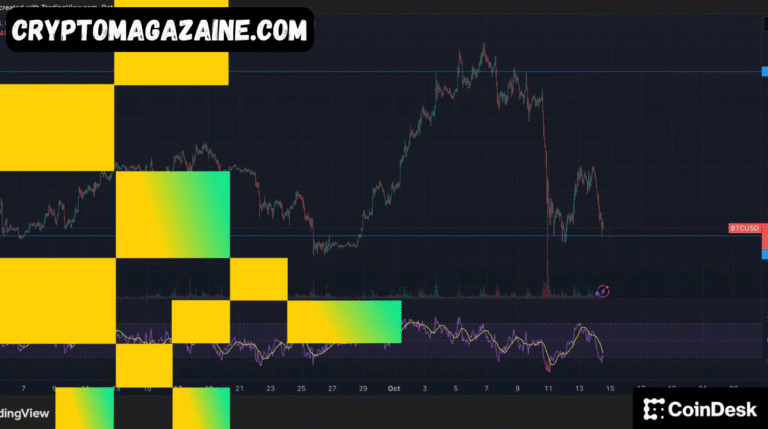
Texas executed its IBIT purchase when Bitcoin was trading around $87,000, down sharply from previous highs over $120,000.
Lee Bratcher, president of the Texas Blockchain Council, praised the timing:
“Texas bought the dip.”
If Texas had delayed even a few days earlier, it would have paid a premium by tens of millions of dollars for future BTC acquisitions.
Why States Want Bitcoin Reserves The Strategic Case
Several motivations are driving interest in public-sector Bitcoin exposure:
Hedge Against Federal Monetary Policy
States increasingly seek financial autonomy from federal fiscal management and inflation cycles.
Attraction of Industry and Investment
Texas already leads in Bitcoin mining and sees reserves as part of a broader innovation ecosystem.
Long-Term Appreciation Potential
Many lawmakers view Bitcoin as a generational asset that could strengthen state balance sheets.
Technology Leadership
Holding BTC directly builds local expertise, infrastructure, and regulatory competence.
Strategic Resilience
In a future digital economy, states may benefit from diversified sovereign-like holdings.
What Comes Next for Texas and the U.S. Crypto Landscape?
Texas is now preparing the final stage:
✔ Drafting the RFP
✔ Selecting a custodial partner
✔ Transitioning from ETF exposure to direct Bitcoin
✔ Creating public-facing transparency tools
✔ Beginning regular BTC purchases from the $10M appropriation
Other states are expected to watch closely and follow.
The 2025 legislative season will be pivotal:
- Over a dozen states are considering crypto reserve proposals
- Several will introduce bills in January
- Industry, policymakers, and advocacy groups are now aligned on pushing for adoption
- Market downturns haven’t dampened enthusiasm — in some states, they’ve accelerated it
Texas appears positioned to secure the title as the first state in U.S. history to hold Bitcoin directly in its treasury.
Conclusion A New Phase of Digital Asset Adoption in America
Texas’ $5 million ETF purchase is small in dollar terms but massive in its symbolic importance. It represents the first concrete move toward state-level Bitcoin sovereignty — an idea once dismissed as fringe but now part of mainstream public policy.
With multiple states preparing legislative frameworks, a supportive federal executive order, and growing public acceptance, 2025 may mark the year U.S. governments begin building Bitcoin reserves in earnest.
And Texas, true to its motto of independence, has taken the lead.
Read More: GoPlus Security Comprehensive Analysis of a Decentralized AI Driven Protection Layer for Web3