Types of Cryptocurrency Explained Coins Tokens and Networks
The world changed in 2009 when Bitcoin first launched. Still, we didn’t yet realize the parabolic growth that cryptocurrency would see, nor did we foresee how many types of cryptocurrency would evolve. Today, nearly 10,000 cryptocurrencies exist — and an ever-larger number has ceased to exist.
In this article, we’ll explore the various types of crypto, including a summary of the leading projects and what sets them apart from the thousands of others. First, let’s examine why so many crypto projects exist.
Why Are There So Many Types of Cryptocurrency?
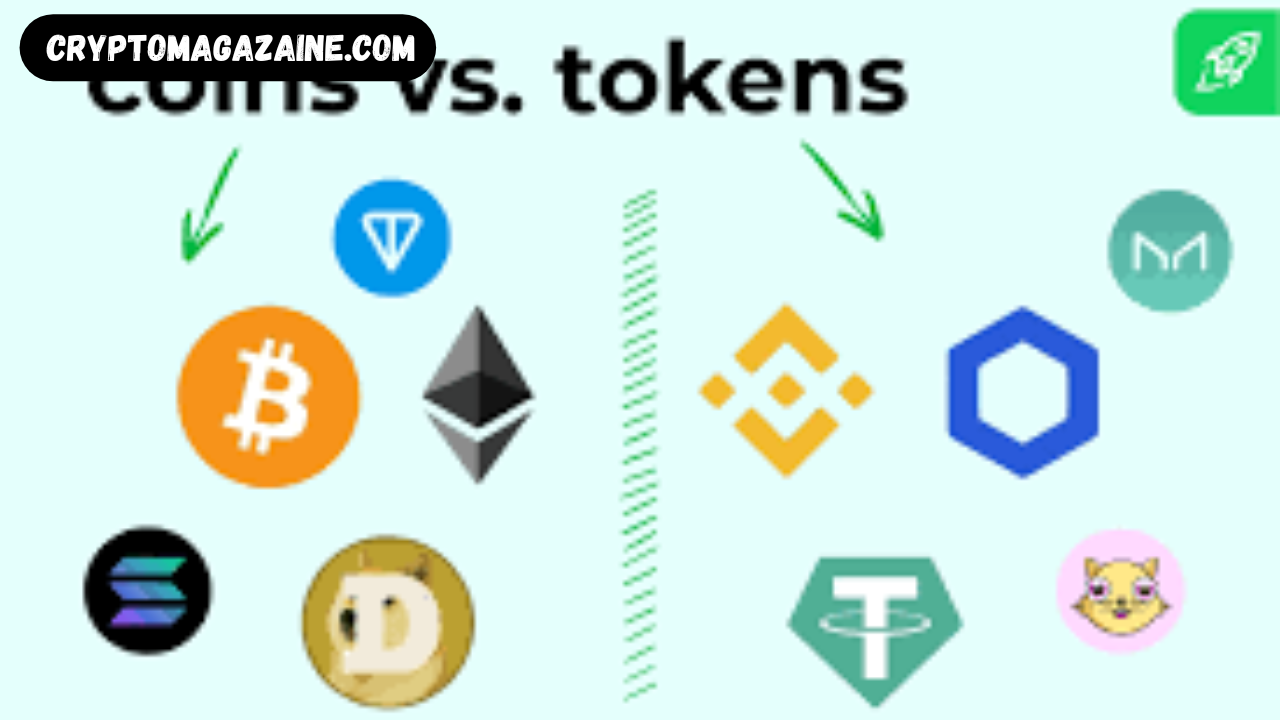
One key reason why there are so many cryptocurrencies largely rests on the idea of coins versus tokens. Tokens make up a large part of the crypto market, and these crypto assets don’t have their own blockchains. Instead, they rely on the infrastructure of other blockchains.
Early Cryptocurrency Projects
- Bitcoin (2009): The first cryptocurrency to see active use.
- Litecoin (2011): A fork of Bitcoin aiming for faster transactions (target block time: 2.5 minutes vs. Bitcoin’s 10 minutes).
Many crypto projects seek to improve existing projects or add new features.
Innovation with Ethereum
- Ethereum (2015): Introduced smart contracts — computer programs that run on the blockchain.
- While Bitcoin and Litecoin function as digital money, Ethereum allows developers to build applications on its network.
Scalability Challenges and New Networks
Ethereum faces challenges with scalability and transaction costs. New networks like Solana, Polygon, and Cardano aim to process more transactions per second at lower costs.
| Network | Transactions Per Second (TPS) |
|---|---|
| Ethereum | ~20 |
| Solana | 45,000 |
| Polygon | 65,000 |
| Cardano | 1,000 |
Open-source code allows projects to innovate and share technology across the crypto ecosystem.
Understanding the Basics

Definition of Cryptocurrency
A cryptocurrency is a digital currency that uses cryptography for security and record keeping. Transactions are stored on a distributed ledger made up of hundreds or thousands of computers worldwide.
Coins vs. Tokens
- Coins: Native to a blockchain (e.g., Bitcoin for Bitcoin blockchain, Ether for Ethereum).
- Tokens: Exist on host blockchains (e.g., Aave token on Ethereum) and often represent ownership or utility.
Blockchain: The Technology Behind Cryptocurrencies
Blockchains are ledgers where transactions are grouped into blocks linked by cryptographic hashes.
- DAG (Directed Acyclic Graph): Some projects like Avalanche and IOTA use DAGs instead of traditional blockchains, organizing transactions into vertices rather than a strict chain.
Decentralization in Crypto
Decentralization has three key aspects:
- Data storage: Copies of transactions stored on multiple nodes.
- Validation: Independent nodes verify transactions without central authority.
- Management: Community-driven governance.
Some networks, like Cardano, are still working toward full decentralization.
Altcoins and Their Role
Altcoins are any cryptocurrencies other than Bitcoin. Examples include Ether, ADA, and many others.
- Altcoin season: Periods when non-Bitcoin cryptocurrencies experience significant price increases.
Cryptocurrency Tokens Explained
Utility Tokens
- Grant access to a protocol or service.
- Example: CRV (Curve Finance) rewards liquidity providers.
- Example: RDNT (Radiant Capital) incentivizes lending and borrowing activities.
Security Tokens
- Represent ownership in real-world assets (e.g., real estate, company shares).
- Regulated by agencies like the SEC.
- Example: INX, first registered security token in the US.
Main Types of Cryptocurrency
Bitcoin (BTC)
- First cryptocurrency and store of value (“digital gold”).
- Uses Proof-of-Work (PoW) to secure transactions.
- Supply capped at 21 million BTC.
Ether (ETH)
- Powers Ethereum, enabling smart contracts.
- Uses Proof-of-Stake (PoS) and staking rewards.
- ETH supply has become slightly deflationary due to transaction fee burns.
Binance Coin (BNB)
- Initially used for trading fee discounts.
- Powers BNB Smart Chain, EVM-compatible with faster and cheaper transactions.
Solana (SOL)
- High-speed network supporting smart contracts.
- Up to 65,000 TPS using Proof-of-History.
Ripple (XRP)
- Optimized for cross-border payments via RippleNet and Interledger Protocol.
Cardano (ADA)
- Focuses on deliberate and sustainable development.
- Smart contracts added in 2021.
- Maximum supply: 45 billion ADA.
Dogecoin (DOGE)
- Fun project started as a joke; no maximum supply.
- Fixed yearly issuance: 5 billion DOGE.
TRON (TRX)
- Decentralized content platform, launched as Ethereum token before its own blockchain.
- Second-largest TVL in crypto after Ethereum.
Stablecoins
- Tether (USDT) and USDC: Pegged to USD, used for stable value storage and trading.
- DAI: Decentralized USD-pegged stablecoin issued by Maker Protocol.
Oracles and DEX Tokens
- Chainlink (LINK): Brings external data to smart contracts.
- Uniswap (UNI): Governance token for the leading decentralized exchange (DEX).
Conclusion
The cryptocurrency space continues to evolve. While many projects have failed, innovation thrives as newer blockchains improve on older ones.
Early projects like Bitcoin and Ethereum benefit from network effects, but new projects may provide advantages in scalability, transaction speed, and usability.
Key takeaway: Knowledge is essential before investing. Research thoroughly and never invest money you can’t afford to lose.
Read More: New Cryptocurrencies to Invest in Today – Top New Crypto Coins (Q4 2025)