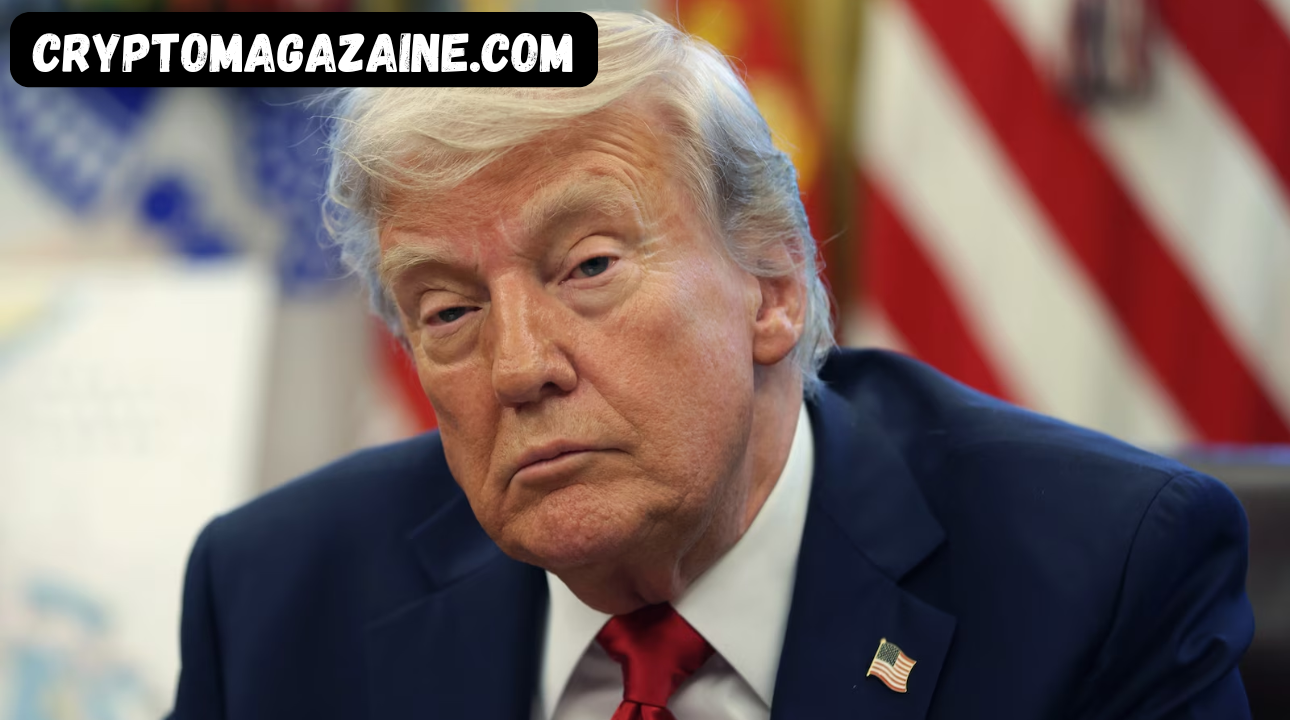
New Poll Reveals Sharp Decline in Trump’s Approval Rating
A new national survey by YouGov, released on November 25, shows that President Donald Trump’s approval rating has fallen significantly, dropping below the lowest points measured during his first term in office.
According to the poll, Trump’s net approval rating now sits at –19%, reflecting an increasingly skeptical American public. Only 38% of respondents said they approve of the president’s performance, while 57% expressed disapproval.
These numbers mark one of the weakest points of Trump’s political career and signal mounting concerns among voters as domestic and international challenges continue to unfold.
Comparison to Trump’s First-Term Approval Levels
Although Trump experienced periods of low public support between 2017 and 2021, this new rating suggests that his second presidency is beginning under even heavier political strain.
During his first term, Trump’s approval rating often fluctuated between 40% and 45%, occasionally dipping lower amid political controversies. But this new 38% approval score represents a new nadir, highlighting deeper voter dissatisfaction across multiple demographic groups—including independents, suburban voters, and some conservative blocs.
Economic Concerns Fuel Voter Dissatisfaction
One of the central factors driving Trump’s declining support is the American public’s view of the economy, which has been shaken by ongoing supply chain problems, an escalating trade conflict with key foreign partners, and mounting fears of a slowdown.
The YouGov report notes a sharp drop in approval for Trump’s handling of the economy, traditionally one of his strongest areas with supporters. Economists and market analysts have pointed to the prolonged trade war, disruptions in manufacturing, and instability in global markets as major contributors to this decline.
Investors, workers, and consumers have reportedly begun to feel the effects of these policies, creating new political vulnerabilities for the administration.
Fallout From the Historic 43-Day Government Shutdown
Compounding these economic challenges is the political fallout from the 43-day federal government shutdown, which Trump ended earlier this month. The shutdown, which became the longest in U.S. history, surpassed the 35-day closure he oversaw during his first presidency in 2018–2019.
The shutdown caused widespread disruption across federal agencies, national parks, government contractors, and private-sector businesses that depend on federal operations.
Kevin Hassett, Director of the National Economic Council, stated that an estimated 60,000 private-sector jobs were lost as a direct consequence of the prolonged government closure—further damaging public trust in the administration’s leadership and crisis-management capabilities.
Trump’s Crypto Ambitions Spark Controversy
Even as Trump continues to champion his vision of making the United States the global center of cryptocurrency innovation, his administration’s relationship with the crypto sector has become a political flashpoint.
Trump returned to office with a bold promise to transform America into the “crypto capital of the world,” supporting deregulation and encouraging blockchain industry growth. However, these initiatives have faced mounting scrutiny as critics question the legitimacy and transparency of crypto ventures linked to members of the Trump family.
Recent revelations have intensified the debate, fueling both praise from pro-crypto advocates and criticism from lawmakers concerned about national security risks.
Senators Warren and Reed Call for Federal Investigation
Last week, Senators Elizabeth Warren (D-MA) and Jack Reed (D-RI) publicly urged Attorney General Pam Bondi and Treasury Secretary Scott Bessent to launch a formal investigation into alleged illicit connections involving World Liberty Financial, a crypto platform associated with the Trump family.
The senators cited a report published in September 2025 by the nonprofit watchdog Accountable.US, which claims that the Trump-linked crypto firm sold tokens to “dozens of suspicious buyers” connected to:
- a major money-laundering platform
- an Iranian cryptocurrency exchange
- North Korean cybercrime groups
The report raises serious national security questions, suggesting that hostile foreign actors may have gained financial or technological advantages through the platform.
Allegations of Crypto Sales to Hostile Foreign Actors
The Accountable.US investigation alleges that several token purchasers had “open and obvious ties” to U.S. adversaries. These findings have raised alarms within the national security community, prompting calls for transparency and oversight.
The report questions whether sufficient vetting took place during token sales and whether the Trump family or its business partners knowingly—or unknowingly—accepted funds from entities linked to foreign governments or criminal networks.
The report states:
“Ultimately, the question remains—why did the Trump family crypto firm take money from people with open and obvious connections to enemies of the United States, and to the network that enables those enemies and other criminals to launder billions of dollars?”
Administration officials have yet to issue a comprehensive response, though White House spokespeople have dismissed the allegations as politically motivated.
Political Impact What the Polling Decline Means for Trump
The combination of economic anxiety, shutdown fallout, and crypto controversies appears to be weighing heavily on public perception of Trump’s leadership in his second term.
Political strategists note that:
- Trump’s base remains largely intact, though slightly weakened
- Independent voters have shifted sharply against him
- Suburban support—crucial in recent elections—has eroded
- Younger voters overwhelmingly disapprove of his approach to technology and foreign policy
If current trends continue, the president may face significant obstacles on Capitol Hill, especially as congressional committees consider further inquiries into the World Liberty Financial allegations.
Outlook: Can Trump Recover From the Political Slide?
While approval ratings can be volatile, several analysts caution that the current downturn may prove difficult to reverse unless the administration:
- Stabilizes the economy
- Avoids further shutdown confrontations
- Responds transparently to the crypto investigation
- Rebuilds trust with key voter demographics
Trump has shown a capacity to rebound politically in the past, especially when the economy improves or when controversies fade from public focus. However, with new challenges emerging domestically and abroad, the path ahead appears increasingly complex.
Conclusion
The latest YouGov poll underscores a pivotal moment in Donald Trump’s presidency. With approval ratings falling below first-term levels, growing economic concerns, and intensifying scrutiny over crypto-related activities, the administration faces a multifront political battle.
Whether the president can restore public confidence—or whether these controversies will define his second term—remains one of the most consequential political questions of the moment.
Read More: Coinbase Ventures’ Top 9 Crypto Sectors to Watch in 2026 The Next Wave of Blockchain Innovation