As the cryptocurrency ecosystem continues to mature, Basis new strategies are emerging for institutional players seeking yield without direct exposure to the intense volatility that defines crypto assets. One such approach, gaining attention on Wall Street, is the “long DAT, short futures” trade—a strategy that allows investors to capture the difference between decentralized asset tokens (DATs) and regulated futures contracts without touching a wallet.
The Mechanics of the Trade

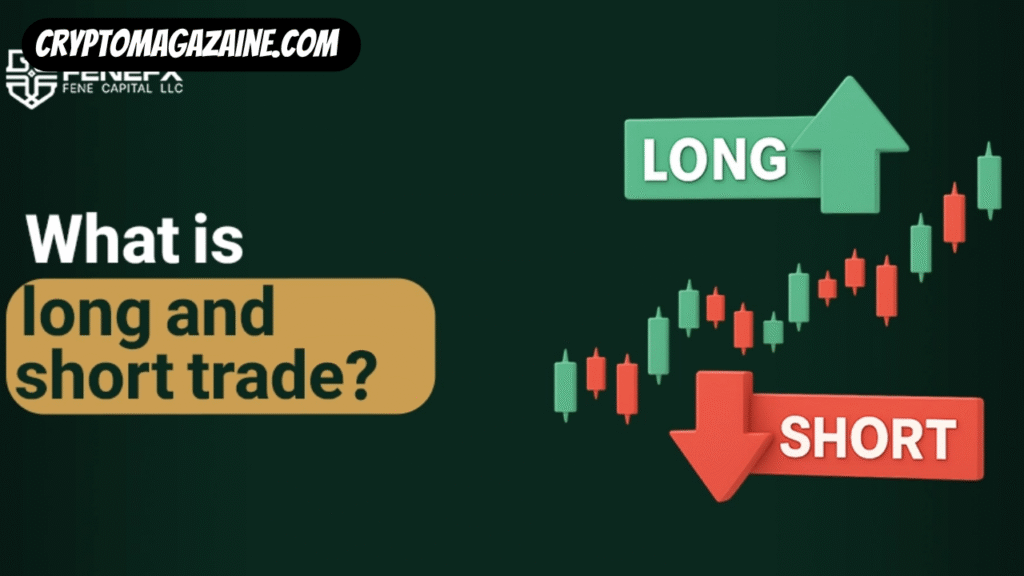
The trade involves taking a long position in a decentralized asset token while simultaneously shorting a regulated futures contract on the same underlying asset. Essentially, this strategy aims to exploit discrepancies in pricing and funding rates between decentralized markets and regulated venues.
Chris Perkins of CoinFund explains that the proliferation of regulated futures across alternative investment vehicles has made this strategy increasingly feasible. With more institutional products available, investors no longer need to directly hold volatile crypto assets to gain exposure; instead, they can position themselves to earn yield from the basis—the spread between spot (DAT) and futures prices.
In practice, this means traders can profit from the nuances of crypto market pricing while avoiding the liquidity and custody risks associated with direct wallet holdings. The approach also shields them from the severe swings that retail investors are accustomed to, effectively turning crypto’s volatility from a risk factor into a potential source of return.
Market Reaction and Retail Surprise
Recent market behavior highlights just how out-of-sync expectations were between retail and professional participants. Polymarket odds for Bitcoin’s price by year-end have shifted sharply toward further downside, signaling that even retail traders were caught off guard by the prolonged selloff. Market participants had largely anticipated mild weakness, not the multi-week decline that wiped out most of Bitcoin’s year-to-date gains.
Professional desks were similarly unprepared. In a recent note, QCP highlighted that traders were not positioned for a weekly close below 100,000 satoshis per bitcoin or the breach of the 50-week moving average—a key cycle-level support. The note suggests that the market is still grappling with the implications of this inflection point, which may signal a shift in the broader trend.
On-Chain Indicators Paint a Mixed Picture
On-chain data from Glassnode and CryptoQuant provide a nuanced view of the current market state. Glassnode metrics indicate oversold momentum, heavy realized losses, and moderating ETF outflows—signals often associated with late-stage capitulation. Historically, these conditions have preceded market bottoms, as they reflect exhaustion among short-term holders and a reduction in selling pressure.
However, CryptoQuant cautions that the market has not yet reached a true floor. Realized losses remain minimal, and long-term holders continue to sell into strength. This suggests that while some signs of exhaustion are present, the final capitulation—which often defines durable bottoms—has yet to materialize. Traders are now operating in a zone of uncertainty, weighing early signs of fatigue against the lack of widespread capitulation.
Recent Market Movement
- Bitcoin (BTC): Bitcoin slid to roughly $92,500 during the U.S. session, down about 2% on the day and 27% from last month’s record highs.
- Ethereum (ETH): Ether held just above $3,000, down roughly 2% over 24 hours and extending a weekly decline of around 15%.
- Gold: Gold retreated to $4,069 per ounce, declining 0.3% as fading expectations for a December Fed rate cut and a stronger dollar weighed on the market.
- Nikkei 225: Asia-Pacific equities fell Tuesday, led by tech declines on Wall Street. Japan’s Nikkei 225 dropped 0.92% as investors awaited Nvidia earnings and the September jobs report.
Broader Crypto Context

The market continues to evolve amid a mix of innovation and disruption:
- DappRadar Shutdown: DappRadar cited an unsustainable financial environment as the reason for shutting down operations, highlighting persistent economic pressures in the decentralized space.
- Ethereum Leadership: Vitalik Buterin has drawn contrasts between Ethereum and Sam Bankman-Fried’s FTX, underscoring Ethereum’s resilience and governance structure.
- Crypto Crime: Authorities announced that the individual behind high-profile Twitter hacks—including targets like Barack Obama and Jeff Bezos—will repay over $5 million in stolen Bitcoin, signaling ongoing enforcement against crypto-related crimes.
Implications for Traders and Institutions
The “long DAT, short futures” strategy is emblematic of the broader shift in crypto markets: institutional sophistication is increasing even as volatility remains a central feature. For institutional players, the trade offers a way to earn yield without taking directional risk, essentially monetizing inefficiencies in market structure.
For retail investors, however, the dynamics remain more treacherous. Short-term swings, coupled with incomplete market information and behavioral biases, can make timing and risk management far more difficult. The divergence between retail sentiment, professional positioning, and on-chain signals underscores the growing complexity of modern crypto markets.
Looking Ahead
As Wall Street continues to innovate with structured crypto products and futures, we can expect more strategies like the “long DAT, short futures” trade to gain traction. These trades highlight the nuanced interplay between traditional finance and decentralized markets, showing that crypto’s volatility can be both a risk and a source of opportunity.
Market participants will need to watch key signals closely: on-chain exhaustion, realized losses, ETF flows, and institutional positioning will all help determine whether the current consolidation represents the early stages of a floor or just a temporary pause in a longer-term correction.
For now, traders sit at a crossroads. The path forward is uncertain, but the rise of sophisticated strategies indicates that crypto markets are entering a more mature, if still highly volatile, phase.
Read More: BitMine Immersion Acquires $173 Million in Ether as Thomas Lee Points to Crypto Liquidity Crunch