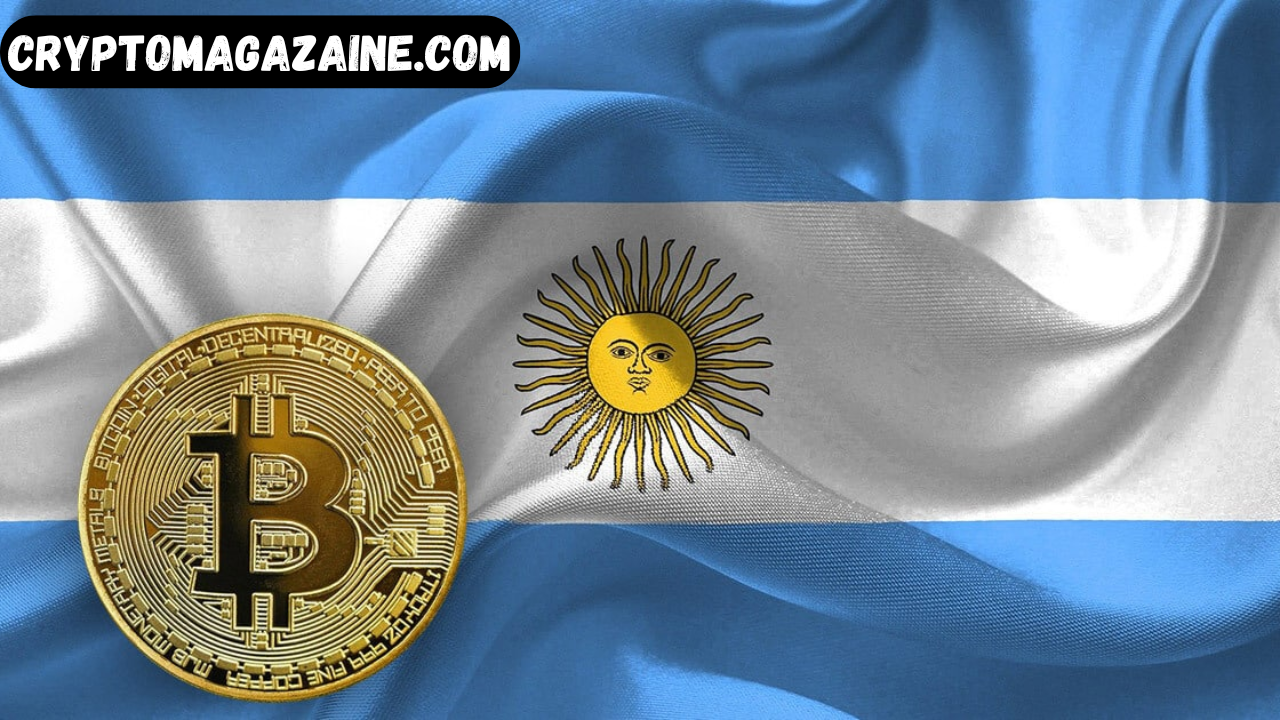
Argentina’s government is quietly evaluating one of its most consequential financial reforms in years: a proposal that would allow traditional banks to offer cryptocurrency trading, custody, and related services directly to the public. The move, still in draft form at the Central Bank of Argentina (BCRA), reflects a deeper national effort to modernize financial markets, channel informal crypto activity into regulated institutions, and respond to overwhelming public demand for alternatives to the inflation-ravaged peso.
If implemented, the measure would mark a dramatic shift from Argentina’s longstanding stance toward crypto, which has oscillated between caution, temporary restrictions, and reluctant acceptance of an asset class that millions of Argentines already rely on.
A Turning Point for Argentina’s Crypto Strategy
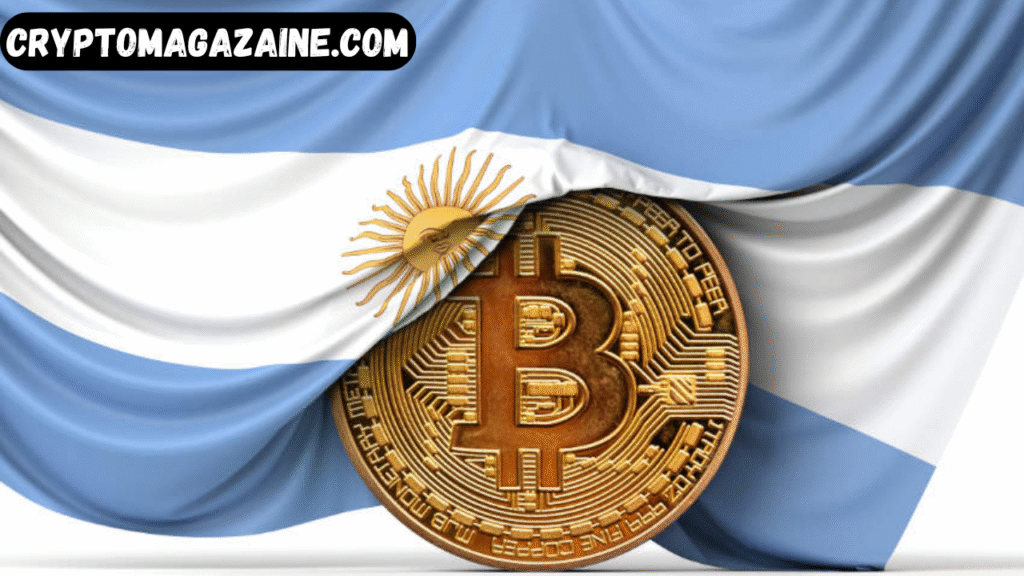
According to reporting from local outlet La Nación, central bank officials are preparing a regulatory framework that would formally authorize banks to trade, hold, and custody digital assets on behalf of customers. While no official timeline has been announced, one major crypto exchange operating in the country suggested that approval could realistically come by April 2026, assuming bureaucratic and political momentum continues.
For now, the discussions remain behind closed doors, involving regulators, exchange executives, and bank representatives. But the intention is clear: Argentina wants to bring order, transparency, and oversight to a market that has grown too big — and too important — to ignore.
In contrast to many countries where crypto remains niche, Argentina faces a unique set of economic conditions pushing citizens toward decentralized assets. More than a decade of high inflation, currency restrictions, and capital controls have led to a widespread search for alternative stores of value, with crypto and stablecoins becoming everyday financial tools rather than speculative curiosities.
Crypto as a Lifeline in an Inflation-Hit Economy
Argentina is experiencing one of the most intense cases of grassroots crypto adoption in the world. Studies estimate that Argentines are six times more likely to use cryptocurrency daily than residents in an average Latin American nation. Stablecoins like USDT and USDC have become popular substitutes for the U.S. dollar in personal savings, business transactions, and even informal wage payments.
Crypto usage surged further as inflation soared past triple digits in recent years, eroding real incomes and weakening trust in the peso. As traditional financial products became less reliable and dollar purchases more restricted, people turned to digital assets for protection.
For many, crypto is no longer a fringe investment — it is a practical survival tool.
Allowing banks to integrate crypto services could dramatically change the landscape:
- Banks could offer regulated, high-security custody, reducing risks associated with storing assets on unregulated platforms.
- Consumers could access crypto through familiar channels, increasing adoption among older or less tech-savvy populations.
- Better disclosures and compliance standards could shield users from fraudulent schemes and unstable tokens.
- Stronger integration with formal finance could help the government track flows, improve tax collection, and encourage responsible innovation.
Analysts argue that such a shift might finally bring Argentina’s sprawling digital-asset economy out of the shadows and into a supervised environment.
Key Regulatory Questions Still Unanswered
Despite the enthusiasm, significant uncertainties remain. The central bank must clarify:
- Which cryptocurrencies will banks be allowed to offer?
- What capital requirements will institutions face to cover volatility risks?
- How will custody systems be designed and audited?
- Will banks partner with existing crypto exchanges or build solutions in-house?
- What consumer protection rules will apply?
Decisions on these fronts will determine the ultimate impact on banks, investors, and the broader economy. Overly restrictive rules may stifle adoption; overly permissive ones could expose consumers to new dangers.
The Shadow of the Libra Scandal Still Looms

Any move toward expanding crypto services comes at a delicate moment. Argentina is still grappling with the political and social fallout from the “Libra meme coin scandal”, one of the most high-profile crypto controversies in the country’s history.
In February 2025, President Javier Milei, well-known for his libertarian views and his support for decentralized technologies, posted on X endorsing the Solana-based Libra token as an example of “market-driven innovation.” His comments triggered a massive buying frenzy across the country.
Within hours, the token’s price skyrocketed from fractions of a cent to more than $4.50, briefly valuing it at $4.6 billion on a fully diluted basis. The rise was spectacular — and short-lived. Investigators soon reported that the coin’s creators at Kelsier Ventures executed what they described as a coordinated rug pull, cashing out large amounts of tokens and causing the price to collapse by over 96%.
The crash wiped out an estimated $100 million to $251 million in investments, hitting thousands of ordinary Argentines who believed the President’s endorsement signaled legitimacy.
The scandal shook public confidence, raised questions about political responsibility, and reignited debates about the dangers of unregulated crypto speculation.
A Long and Complicated History With Crypto Regulation
Argentina’s official stance on cryptocurrency has swung widely over the past decade. Previous central bank administrations imposed restrictions on banks interacting with crypto platforms, citing concerns over money laundering, volatility, and consumer risks. The industry often operated in grey areas, with exchanges adapting to shifting rules and sometimes facing temporary crackdowns.
The current initiative to open banking channels to digital assets would be a dramatic turnaround — and would represent a recognition that crypto, for better or worse, is already embedded in Argentina’s economic fabric.
Some policymakers argue that bringing crypto inside the traditional financial system is the only realistic way to reduce the risks uncovered by the Libra scandal. Others caution that banks could unintentionally amplify market volatility if safeguards are insufficient.
Why Regulators Are Moving Now
Several forces are driving the renewed push for a regulated banking-crypto framework:
Consumer Protection
After the Libra incident, regulators feel pressure to create safer pathways for crypto access.
Economic Reality
With inflation, dollar shortages, and low trust in traditional institutions, crypto demand is not shrinking — it is accelerating.
Global Trends
Countries including Brazil, Singapore, and the EU have developed frameworks enabling banks to provide digital-asset services under strict oversight.
Formalization of a Massive Informal Market
Large volumes of crypto activity remain untaxed and invisible to authorities. A regulated banking gateway could integrate these flows into the formal economy.
What Comes Next

For now, the discussions remain exploratory, and the central bank has not committed to any timeline or specific rule set. However, the fact that major exchanges and banking groups are privately preparing for potential changes suggests that this initiative is more than theoretical.
If approved, the reform could reshape Argentina’s financial system, offering millions of citizens new ways to save, invest, and transact — and positioning the country as a regional leader in regulated crypto integration.
The coming months will reveal whether Argentina can strike the delicate balance between innovation and protection, between embracing digital finance and safeguarding consumers from its well-known risks.
Read More: Harvard Bets Big on Bitcoin With $443M Stake Outpacing Gold 2-to-1