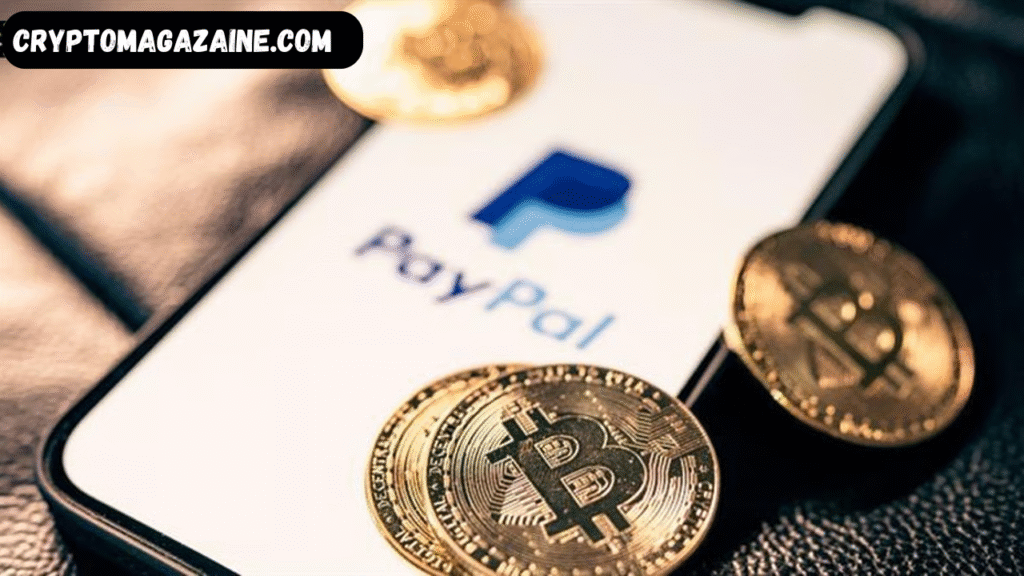
In a bold attempt to reignite user engagement and reclaim lost ground in the increasingly competitive digital-asset marketplace, PayPal has launched one of its most ambitious campaigns to date: a crypto sweepstakes worth well over $1 million in prizes. The headline is attention-grabbing enough — more than 1,000 lucky participants will win free Bitcoin — but like any major promotion, this one comes with rules, caveats and limitations that every participant must understand.
This marks a significant moment for the payments giant. While PayPal has steadily deepened its involvement with cryptocurrencies over the past three years, this is the first time it has stepped directly into the world of large-scale crypto giveaways. And judging by the structure, the timing and the incentives, it’s clear the company is hoping to remind consumers and competitors alike that it remains a powerhouse in the fintech space.
A Million-Dollar Crypto Sweepstake
The newly announced sweepstakes revolves around offering Bitcoin prizes of varying sizes — from life-changing amounts to small but meaningful bonuses.
Here’s the breakdown:
- 1 grand-prize winner receives $100,000 in BTC
- 5 winners receive $10,000 in BTC each
- 162 winners receive $500 in BTC
- Prizes awarded weekly through December 21
- Total prize pool: approximately $1.386 million, distributed to 1,008 winners
PayPal says winners will be notified by email and must respond within five business days. Fail to reply promptly, and the prize may be forfeited — a detail emphasized throughout the official rules.
But it’s important to highlight a key legal reality: because the sweepstakes is operating under U.S. contest law, all crypto winnings are considered taxable income. That means lucky recipients must report their prizes to the Internal Revenue Service, and in some cases, a tax form may be issued directly by PayPal.
Who Can Enter and How?
Despite its global brand and presence, the sweepstakes is not open to everyone. Only U.S.-based customers are eligible to participate. That restriction alone sharply narrows the field.
To earn entries, U.S. users must complete eligible crypto transactions within the PayPal app:
- Buying crypto
- Selling crypto
- Converting one crypto asset to another
- Sending or receiving crypto
Each successful crypto action earns one entry, up to a maximum of 10 entries per week.
Interestingly, transactions involving PayPal’s own stablecoin — PYUSD — are not eligible. This exemption surprised many observers, as one might expect PayPal to incentivize adoption of its in-house token. But the official rules explicitly exclude PYUSD-related purchases from counting toward the contest.
For users who don’t want to engage in crypto transactions, a mail-in entry option is available — again, exclusively for U.S. residents.
Why PayPal Is Doing This Now
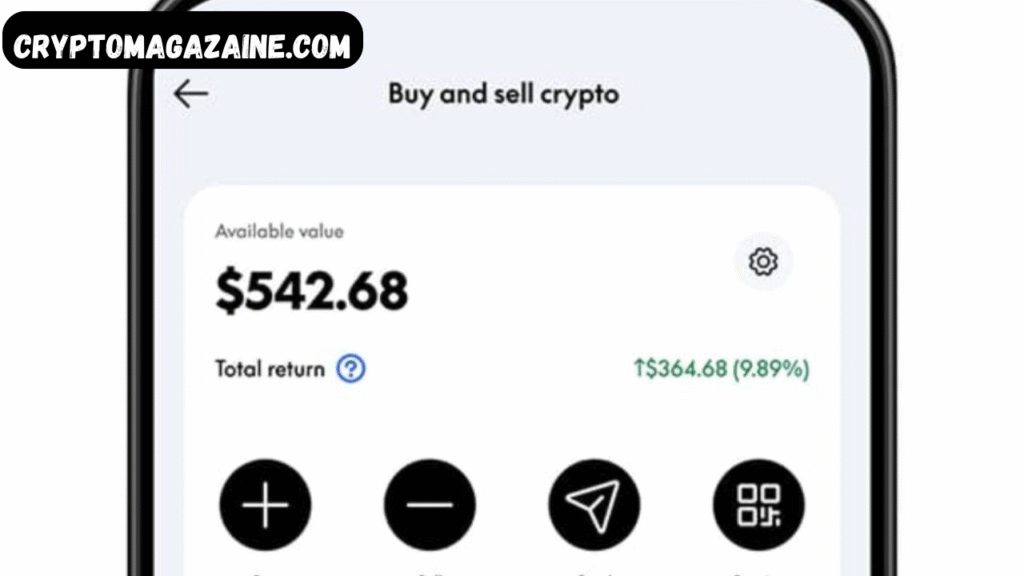
The crypto environment has shifted dramatically over the past several years. Exchanges such as Coinbase and Binance have dominated the industry’s attention, while newer fintech players continue introducing fresh features, smoother interfaces and more competitive fee structures.
Meanwhile, PayPal — once the undisputed king of online payments — has faced ongoing struggles in maintaining investor confidence. Its stock performance reflects this: shares have fallen roughly 29% this year, while Coinbase’s decline is far less dramatic at around 2%.
The giveaway, therefore, serves multiple strategic goals:
- Re-engage dormant customers
Many PayPal users may not have touched the app’s crypto features in a long time. The chance to win Bitcoin offers a strong incentive to explore them again. - Attract users from competing platforms
Loyal customers of crypto-centric apps might be persuaded to perform at least some weekly activity on PayPal to earn entries. - Reassert PayPal’s relevance in the Web3 space
While not a crypto exchange, PayPal wants consumers to see it as a legitimate gateway into digital assets. - Boost transaction volume
Each eligible crypto action both increases product usage and generates fees — though these fees remain a point of criticism among users.
PayPal vs. Coinbase A Battle for Crypto Users
The crypto community often compares PayPal’s offerings with those of large dedicated exchanges like Coinbase. While both platforms allow users to access digital assets, they differ dramatically in scope, audience and long-term vision.
Crypto Availability
PayPal currently supports only a limited set of coins:
- Bitcoin
- Ether
- Litecoin
- Solana
- Chainlink
- PYUSD
By contrast, Coinbase offers hundreds of assets across numerous categories, from blue-chip tokens to obscure altcoins.
This restricted list reflects PayPal’s conservative regulatory approach. It focuses on high-cap, high-liquidity assets likely to be acceptable to regulators in the U.S., U.K. and Germany — the three countries where PayPal’s crypto services are officially offered.
User Experience
What PayPal lacks in breadth, it makes up for in accessibility. Unlike many crypto-only platforms, PayPal is a Web2-native company whose interface is built for mainstream consumers. Setting up an account, completing KYC, opening a wallet and making a purchase are intentionally frictionless.
Coinbase, meanwhile, targets both beginners and seasoned traders. Its advanced tools offer powerful features but a steeper learning curve.
Payments and Adoption
One of PayPal’s most important advantages lies in how users can apply crypto in real commerce. Millions of merchants already accept payments via PayPal, and the platform enables crypto-to-fiat conversions for checkout.
Coinbase’s CEO, Brian Armstrong, has spoken extensively about his desire to make stablecoins a mainstream payment method — but PayPal arguably reached this milestone first by integrating crypto spending into everyday transactions.
Fees
PayPal’s crypto fees can be noticeably higher than those at dedicated exchanges. For frequent traders, these charges quickly become substantial.
For casual users, however — especially those already embedded in PayPal’s ecosystem — the convenience may outweigh the extra cost.
The Rise of Crypto Giveaways — and the Scams That Follow
Crypto giveaways are not new, but their popularity has skyrocketed as brands seek to attract attention, build communities and convert Web2 users into Web3 participants.
But for every legitimate promotion, dozens of scams also circulate online. Fraudsters frequently impersonate trusted companies, create fake websites, or promise impossible rewards in exchange for “processing fees” or wallet access.
This is why experts emphasize verifying official sources — especially when the prize involves something as valuable as Bitcoin.
Cardsmiths and the Growing Culture of Physical-to-Digital Crypto Rewards
One of the most interesting examples of legitimate crypto giveaways comes from Cardsmiths, a company producing collectible trading cards under its Currency series.
Some packs contain physical cards redeemable for major crypto prizes:
- Up to 1 BTC
- Up to 1 ETH
With packs priced at $36.99, and potential rewards exceeding $80,000, the promotion has naturally attracted widespread curiosity.
This hybrid of physical trading cards and digital assets creates a new gateway for enthusiasts who might not otherwise explore crypto ecosystems.
Why Giveaways Work
Beyond the excitement of winning, there are practical reasons companies use sweepstakes to encourage crypto adoption:
- Reducing psychological barriers
Many consumers remain intimidated by digital assets. A giveaway motivates them to try something new. - Increasing wallet creation
Every participant must open or access a crypto wallet — a crucial first step toward deeper engagement. - Boosting education
Curious newcomers often start learning about crypto once they have even a tiny amount in their possession. - Driving transaction volume and retention
Once someone conducts crypto transactions weekly, habits form — and platforms benefit.
A Turning Point for PayPal?
PayPal’s massive Bitcoin sweepstake is more than a marketing stunt. It’s a signal of intent — a declaration that the company plans to remain relevant in the next generation of digital finance.
Whether the strategy will significantly impact its user numbers, market share or stock price remains to be seen. But in an industry where innovation moves at breakneck speed, bold experiments like this one may be exactly what PayPal needs.
For now, one thing is certain: more than a thousand participants are poised to receive free Bitcoin — and for one exceptionally lucky winner, the holiday season could bring a $100,000 surprise courtesy of one of the world’s largest financial platforms.
Read More: Nasdaq Accelerates Push for SEC Approval as Tokenized Stocks Move Toward Mainstream Adoption