The crypto industry has gone through repeated market downturns, leaving many investors searching for new sectors where activity and profit opportunities still exist. One surprising winner in this environment is prediction markets — blockchain-based platforms where users bet on the outcomes of real-world events.
While Bitcoin, altcoins and DeFi tokens have struggled, prediction markets have surged, attracting new users, growing daily volume and establishing themselves as a major new category within the Web3 landscape.
Unlike traditional crypto trading, prediction markets do not rely on token prices going up. Participants simply bet on whether a certain event will happen or not. If the prediction turns out correct, they earn a profit — even during a bear market. This simple and psychologically familiar model is helping prediction markets gain momentum fast.
Why Prediction Markets Are Rising While the Crypto Market Falls

Betting With Stablecoins Changes the Game
One of the main reasons for the success of prediction platforms is that most users bet using stablecoins rather than volatile crypto assets. This means profits depend only on whether the prediction is correct, rather than on market conditions. Even if crypto markets crash, the payout logic of prediction contracts remains untouched.
Familiar Concept New Crypto Twist
Betting on events has existed for centuries in traditional settings like sports books and gambling houses. The blockchain era simply re-introduces a very old idea with a new approach:
- Permissionless access
- Global participation
- On-chain transparency
- Fast settlement of winnings
People do not need to learn complex DeFi mechanics. They only need to understand how to make a prediction — something nearly everyone already knows intuitively.
A New Narrative in a Bear Market
Every crypto cycle brings a new narrative: DeFi, NFTs, GameFi, meme coins, real-world assets. Now prediction markets are emerging as the next major narrative. This allows activity and speculation to continue even when token prices stagnate. Instead of asking “Will this token go up?”, prediction markets ask “Will this real-world event happen?” — a new and exciting format for traders who want volatility and opportunity.
The Major Platforms Polymarket Kalshi Opinion and Others

Polymarket
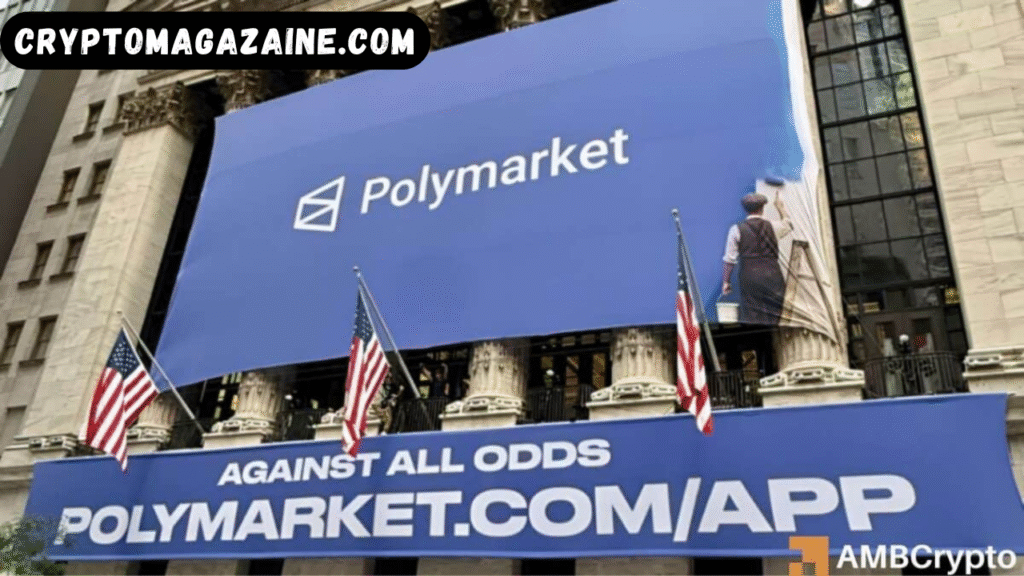
Polymarket is currently the most well-known crypto prediction platform. It allows anyone to trade on political outcomes, economic results, crypto milestones and cultural events.
It has the largest total value locked and has historically dominated the sector. A future launch of its own token has increased excitement even more.
Kalshi
Kalshi positions itself as a regulated, U.S.-based prediction exchange. It uses official “event contracts” that settle on measurable outcomes such as inflation, interest rate decisions, election results and other real-world indicators.
With institutional backing and compliance focus, Kalshi is often considered the closest platform to a traditional financial exchange.
Opinion and the New Wave of Rivals
The newest generation of platforms — such as Opinion, Myriad and Limitless — have escalated competition. Opinion in particular has rapidly climbed the leaderboard in trading volume, proving that there is still space for challengers in this category.
Why Traders Are Flocking to Prediction Markets
Real Profits in a Falling Market
Many crypto traders have watched their portfolios shrink during market downturns. Prediction market users, however, can continue earning because outcomes are independent of market cycles. During times when crypto prices are red, social media and community forums often showcase traders who consistently win in prediction markets.
Strategies for Success
Two dominant strategies have emerged:
1. Tracking Insider-Like Wallets
Some traders watch big wallets that seem to have reliable information or high success rates. If a wallet suddenly places a large bet on an event, others may follow.
2. Personal Forecasting
Some users rely on their own judgment and research. Examples include:
- Predicting whether the Federal Reserve will raise or lower interest rates
- Predicting whether Bitcoin will fall below or rise above certain levels
- Predicting the outcome of major political elections
Rewards and Points Systems
A powerful accelerant for growth has been the introduction of points and participation rewards. Traders earn points for trading activity and volume, and many expect these points to lead to future token airdrops. This adds a second incentive: even losing traders may still earn platform rewards.
The Risks and Weak Points of Prediction Markets
Prediction markets are not perfect and still come with significant limitations.
Limited Liquidity
Many markets have low liquidity. If someone wants to place a large position, the price may move sharply due to slippage. In the worst cases, the order book may temporarily appear empty.
Insider-Like Behavior and Unfair Advantage
Some users display nearly perfect win rates and very high returns. This raises concerns about insider information or early access to data. If the perception spreads that insiders always win, confidence could suffer.
Possible Market Manipulation Signals
Big wallets can intentionally place misleading positions to trick other traders into following incorrect signals. Some even split bets across multiple wallets to confuse observers.
Regulatory Uncertainty
Different countries view prediction markets differently:
- Some see them as gambling
- Some compare them to futures and derivatives
- Some allow only certain categories of events
Future regulation could either help or restrict growth dramatically.
What Prediction Markets Mean for the Future of Crypto and Finance
Prediction markets represent more than just speculation. They are creating a new financial instrument: trading beliefs and expectations. This could have long-term implications:
Crowd Intelligence Becomes a Price
Every active prediction market produces a real-time public estimate of the probability of an event happening. This makes prediction markets similar to opinion polls — but backed by real money and risk.
New Financial Applications
If growth continues, prediction markets could influence:
- Financial risk-management
- Corporate decision-making
- Political forecasting
- Economic trend analysis
A Bridge Between Crypto and the Real World
Prediction markets connect blockchain users directly to real-world events. This makes the crypto ecosystem less isolated and more relevant to everyday life.
Conclusion
Prediction markets have emerged as one of the most dynamic areas of Web3, thriving even while the broader crypto market falls. Their appeal comes from something very simple: people enjoy making predictions, and blockchain allows them to profit from those predictions instantly, globally and transparently.
But the sector remains early. Liquidity challenges, potential insider advantages and regulatory uncertainty must be addressed before prediction markets can scale to billions more in volume.
Still, the trend is clear: activity is rising, user participation is growing, and competition is intensifying. Whether prediction markets become a permanent pillar of crypto or a short-lived narrative will depend on how well platforms maintain trust, fairness, and accessibility as they expand.